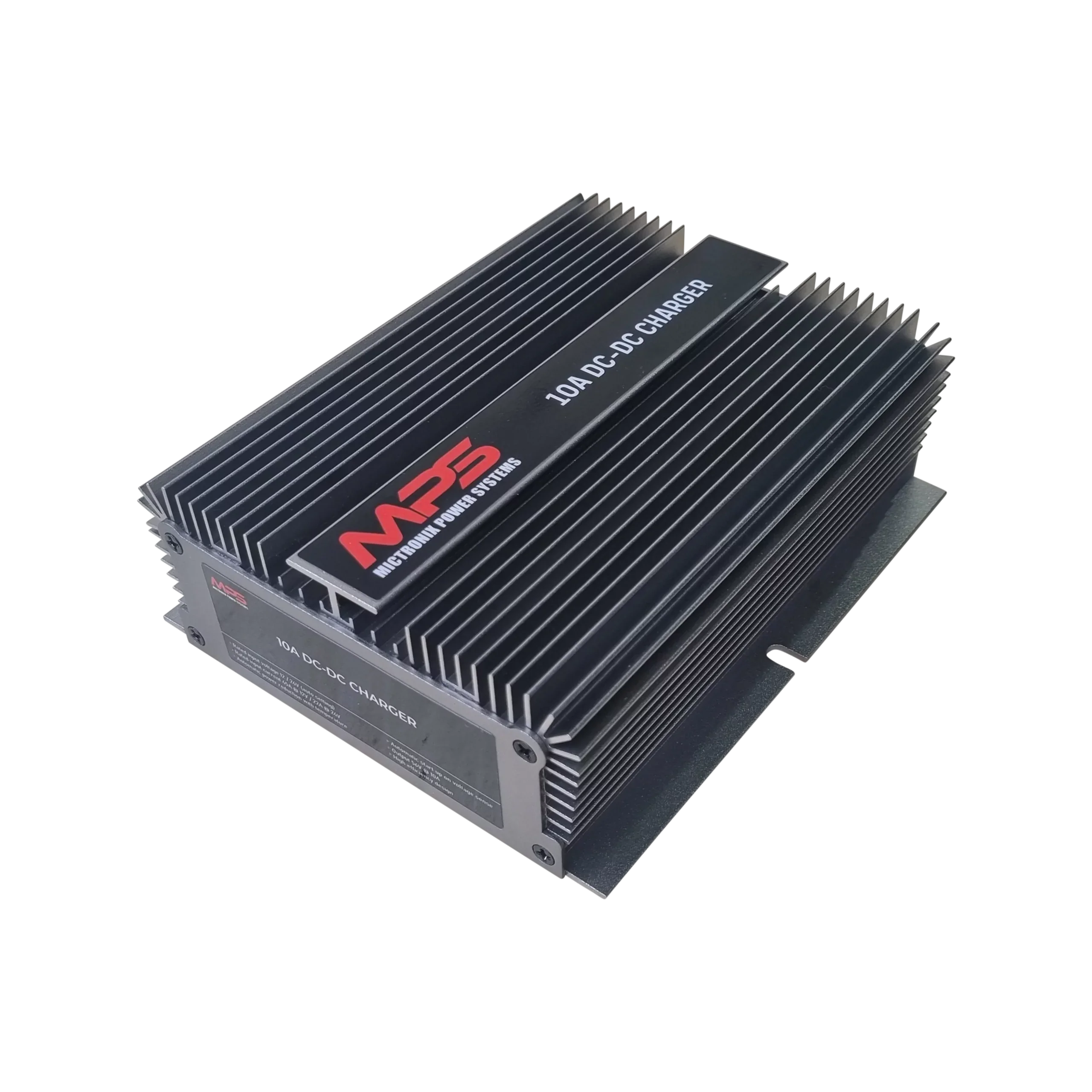
CTEK CTOFFGRID - 20AMP SYSTEM (inc MONITOR) - 20A Off Grid Charging System
CTEK CTOFFGRID - 20AMP SYSTEM (inc MONITOR) - 20A Off Grid Charging System
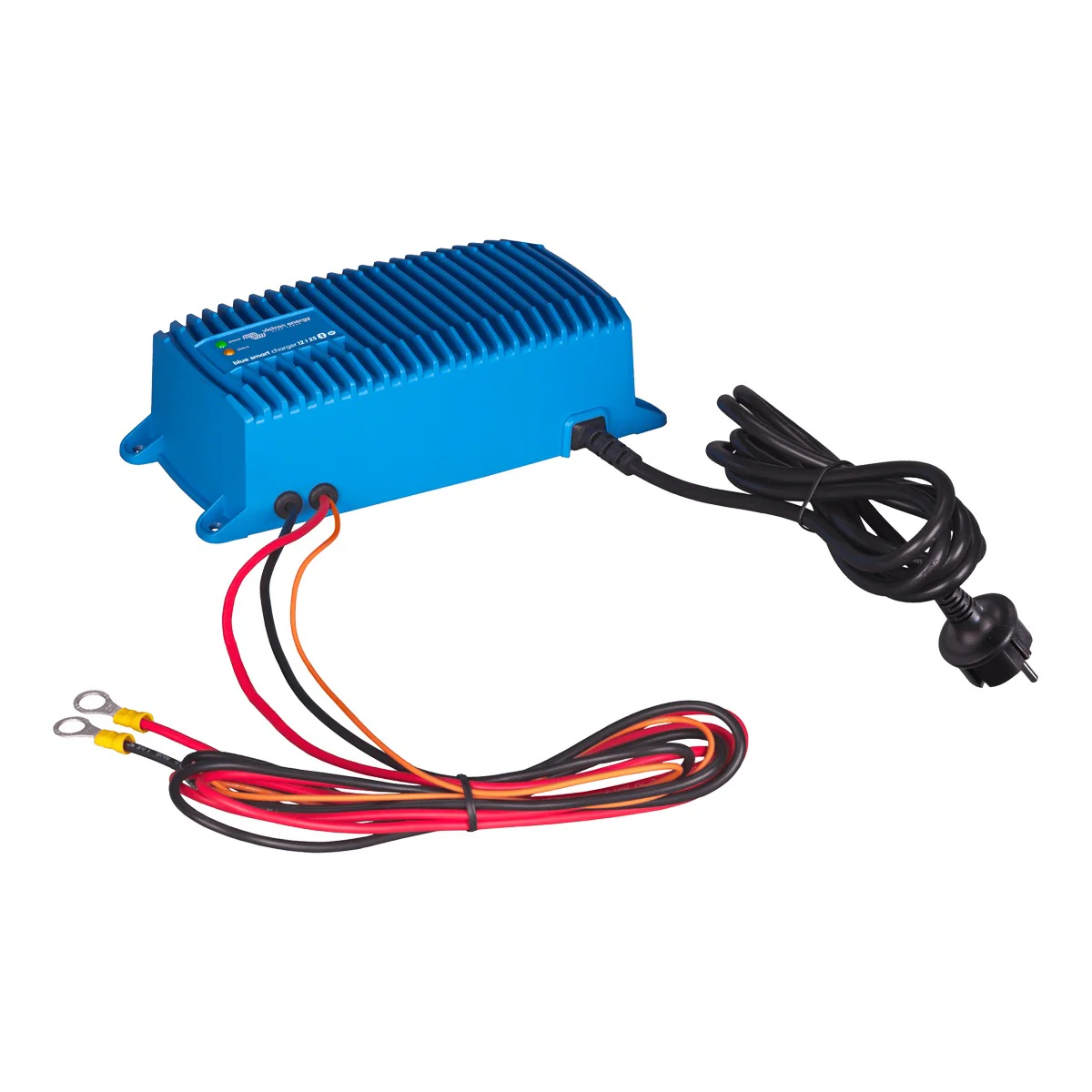
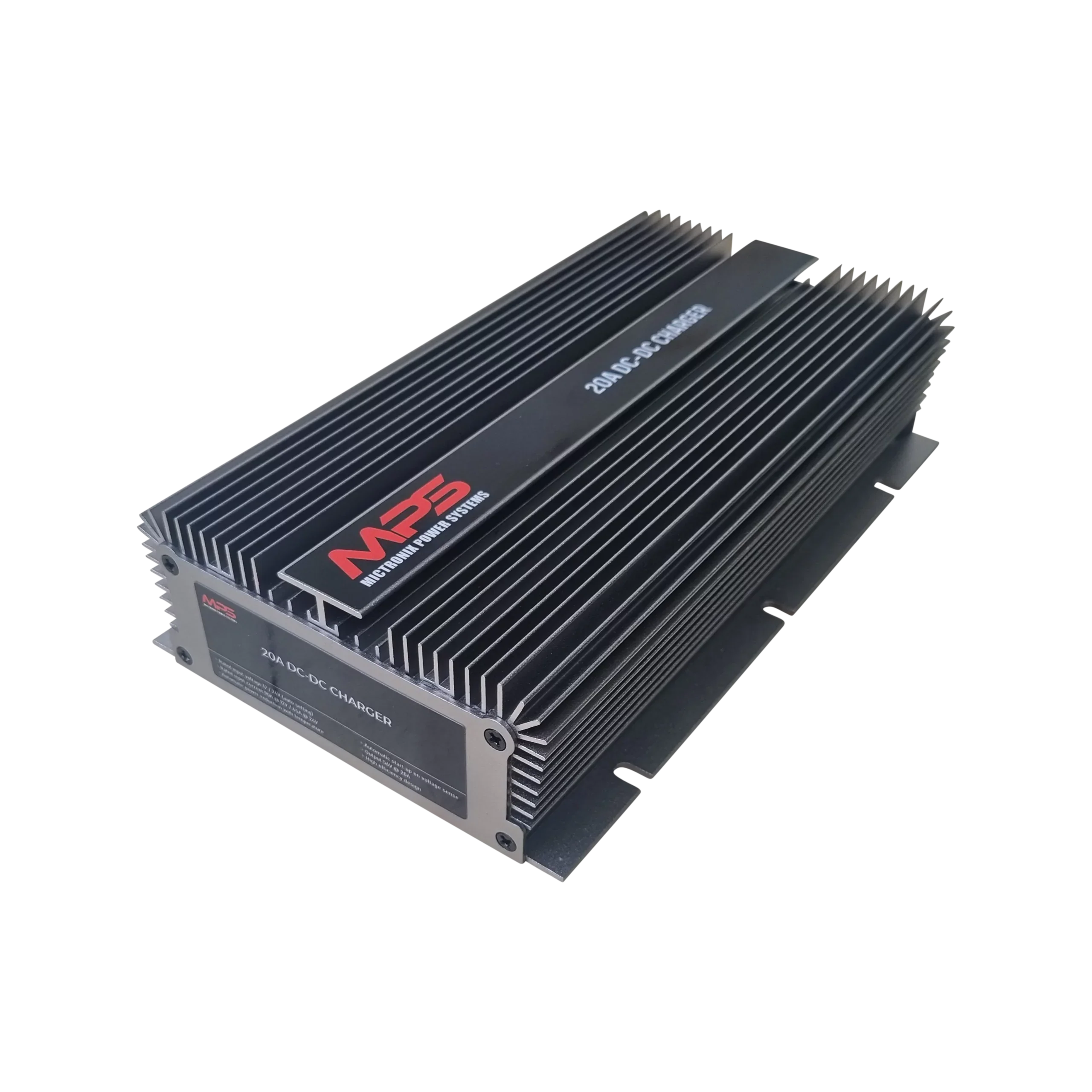
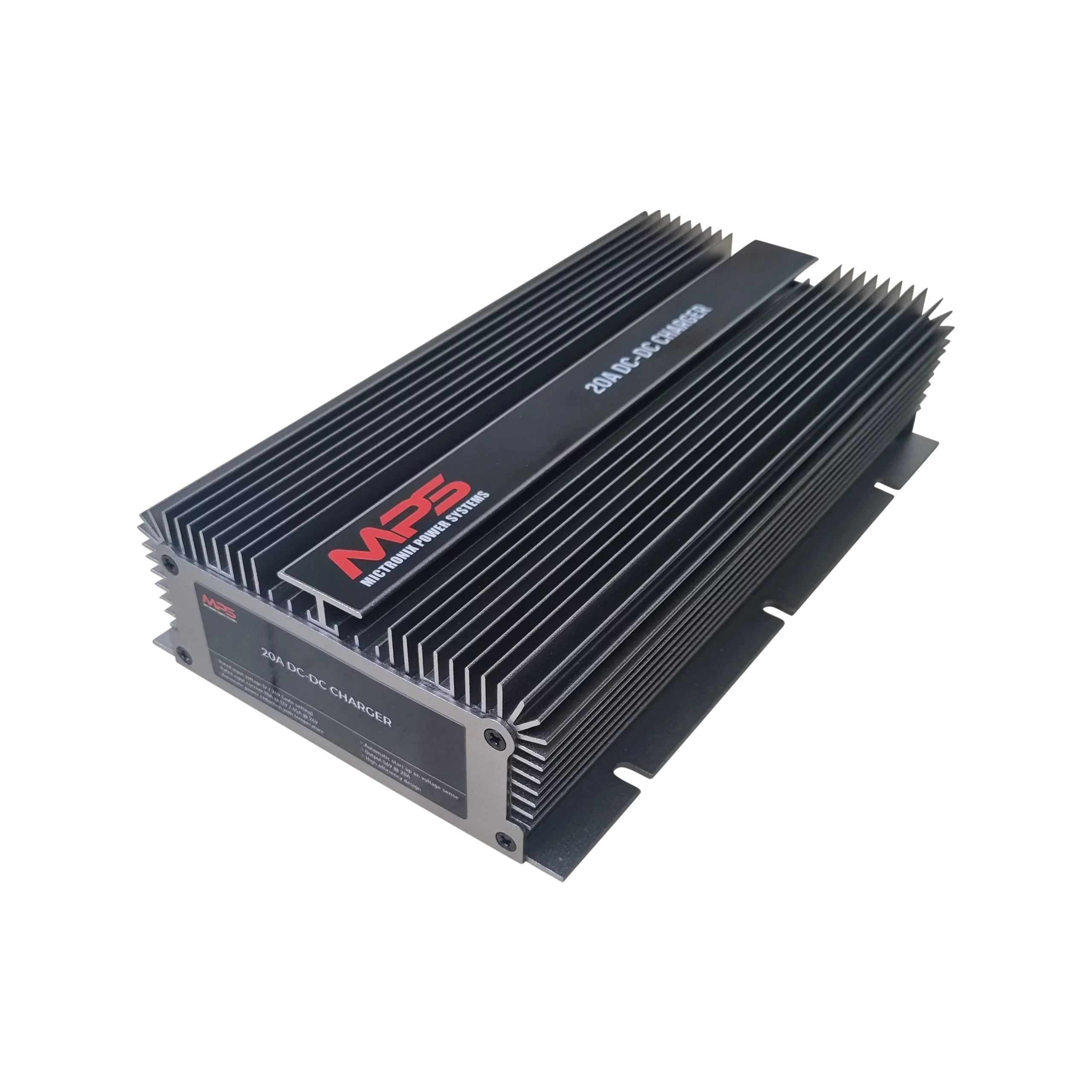
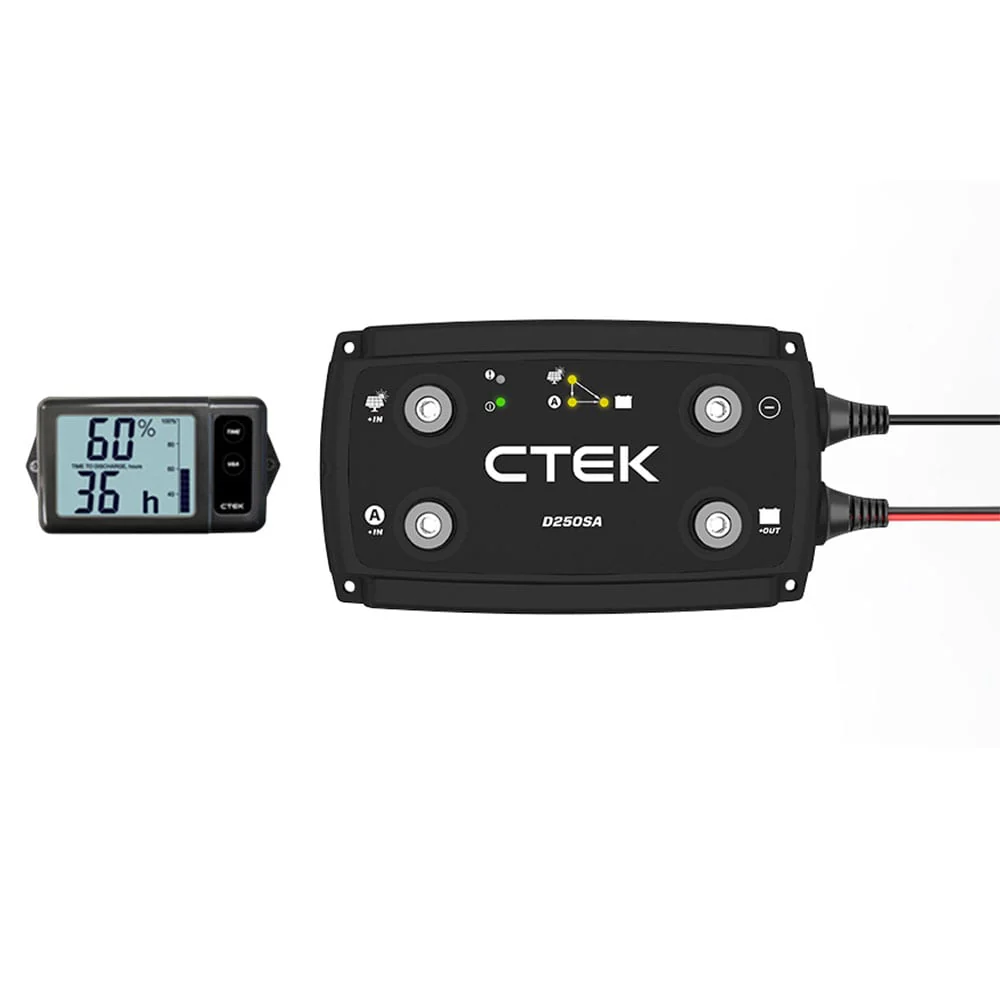
Complete off-grid power management solution combining advanced 20A DC-DC battery charger with comprehensive battery monitoring for ultimate independence in remote locations. The CTEK 20A Off Grid Charging System integrates the D250SA dual battery charger with CTEK MONITOR creating professional-grade power management system for 4WDs, caravans, boats, and off-grid installations where reliable auxiliary battery charging from multiple sources is essential. The D250SA DC-DC charger intelligently manages power from smart alternators, solar panels, and wind generators maximizing energy harvest from all available sources while maintaining complete separation between starter and service batteries preventing starter battery drain that leaves vehicles unable to start. This advanced charger overcomes limitations of modern smart alternators (found in Euro 5/6 emission vehicles) which reduce alternator output when main battery charged, starving auxiliary batteries of charging—the D250SA boosts and regulates voltage ensuring auxiliary batteries receive full charge regardless of alternator behavior. Features integrated solar panel regulator with Maximum Power Point Tracking (MPPT) technology extracting maximum available power from solar panels across varying light conditions, eliminating need for separate solar controller and simplifying installation while improving charging efficiency. The included CTEK MONITOR provides real-time comprehensive battery bank monitoring displaying voltage, current (charge and discharge), state of charge percentage, and critically—accurate time remaining until battery depletion allowing confident power consumption management preventing unexpected power loss during extended off-grid stays. Perfect for serious 4WD tourers requiring reliable auxiliary battery charging during remote travel, caravan owners running fridges and appliances off-grid, marine applications with house battery banks, expedition vehicles, camper trailers, and professional off-grid installations where battery performance and longevity are critical. The system delivers 20A charging current rapidly replenishing battery banks depleted by fridges, lighting, water pumps, and accessories, featuring 14.4V/14.7V charge voltage with automatic temperature compensation, maintenance charging of starter battery preventing drain, IP65 splash and dust proof construction for harsh environments, and 5-stage automatic charging maximizing battery capacity and lifespan. Distributed by Bainbridge Technologies, Australia's leading power product experts specializing in off-grid power solutions with over 30 years of experience, backed by comprehensive technical support, installation guidance, and local warranty coverage.
Product Overview
The D250SA charger can get its energy from smart alternators, solar panels and wind power. It separates starter and service battery and maximizes the use of the both without risking that the starter battery is unable to start the engine. The CTEK MONITOR constantly monitors the voltage and current (charge and discharge) to show you exactly how much charge you have and how many hours you've got left before your battery bank is empty.
Key Features:
- Input voltage 11.5 – 23V DC; 14.4/14.7V charge voltage
- Maintenance charging of starter battery
- Solar panel regulator with Maximum Power Point Tracking
- Simplifies installation and improves performance on extra batteries for bow thruster and anchor
- Maximized battery capacity by fully charging the battery
- Shortened charge time
- Decreased costs by reduced idling and by efficient use of alternator and solar power
- Splash and dust proof (IP65)
Important Notes:
Professional Installation Strongly Recommended: This is advanced DC-DC charging system requiring proper installation for safe reliable operation. Installation involves: (1) Heavy-gauge cable runs (minimum 6mm² for 20A) from starter battery, auxiliary battery, and solar panels, (2) Proper fusing at battery connections (25-30A fuses), (3) Correct polarity connections (reverse connection damages unit), (4) Monitor installation with shunt and wiring, (5) Solar panel integration if used, (6) Secure mounting in ventilated location. Incorrect installation causes charging failures, battery damage, fire risk, or equipment damage. Professional installation by qualified auto electrician or marine electrician strongly recommended unless experienced with DC electrical systems.
Smart Alternator Compatibility Essential for Modern Vehicles: Modern vehicles (typically 2015+) with Euro 5/6 emissions often use "smart alternators" that reduce output when starter battery charged, preventing auxiliary battery charging through conventional isolators. The D250SA specifically designed to overcome this by boosting available voltage for auxiliary battery charging. If you have older vehicle (pre-2015) with conventional alternator, simpler DC-DC chargers may suffice. Check vehicle specifications or consult auto electrician to determine alternator type before purchase.
Battery Chemistry Compatibility: Designed for 12V lead-acid batteries including wet/flooded, AGM, gel, and calcium batteries. Maximum auxiliary battery bank size depends on charging time available—20A suitable for battery banks up to 200-300Ah. Not compatible with lithium batteries (LiFePO4) which require different charge profiles, voltage limits, and BMS integration. For lithium battery systems, use CTEK chargers specifically rated for lithium or consult Bainbridge Technologies for appropriate solutions.
Solar Panel Requirements and Limitations: Solar panel regulator accepts up to 160W solar input (12V panel). Solar panels must be correctly sized and configured: use 12V nominal solar panels (typically 17-22V open circuit), ensure solar positive and negative correctly connected, install inline fuse on solar positive wire. The MPPT controller optimizes solar charging but cannot overcome inadequate solar panel sizing for battery bank capacity or geographical/seasonal solar availability limitations.
Monitor Shunt Installation Critical: The CTEK MONITOR requires current shunt installed in negative cable between auxiliary battery and loads. ALL negative loads must pass through shunt for accurate monitoring—bypassing shunt causes incorrect readings. Shunt must be installed in correct orientation (marked "Battery" and "Load" sides). Monitor accuracy depends on proper shunt installation and initial battery capacity programming. Consult installation manual for detailed shunt wiring diagrams.
Key Features
20A DC-DC Battery Charger - High-current charging capability rapidly replenishes auxiliary battery banks depleted by fridges, lighting, and accessories during off-grid use.
Smart Alternator Compatible - Specifically designed to overcome smart alternator limitations in modern vehicles ensuring auxiliary batteries receive full charge.
Multi-Source Charging - Accepts power from vehicle alternator, solar panels (up to 160W), and wind generators maximizing energy harvest from all available sources.
Integrated MPPT Solar Controller - Maximum Power Point Tracking technology extracts maximum available power from solar panels eliminating need for separate solar controller.
Complete Battery Separation - Maintains complete isolation between starter and auxiliary batteries preventing starter battery drain ensuring reliable engine starting.
Maintenance Charging of Starter Battery - Prevents starter battery self-discharge during extended off-grid periods maintaining starting reliability.
CTEK MONITOR Included - Comprehensive battery monitoring displaying voltage, current (charge/discharge), state of charge, and time remaining until depletion.
Accurate Time Remaining Display - Monitor calculates hours remaining before battery depletion based on current consumption allowing confident power management.
Real-Time Current Monitoring - Shows instantaneous charge and discharge current identifying power-hungry loads and verifying charging system performance.
14.4V/14.7V Charge Voltage - Optimal charge voltage for lead-acid batteries (AGM/gel use 14.4V, flooded use 14.7V) maximizing capacity without overcharging.
5-Stage Automatic Charging - Advanced charging algorithm: bulk, absorption, analysis, float, and maintenance ensuring optimal battery care and longevity.
Automatic Temperature Compensation - Adjusts charge voltage based on ambient temperature ensuring optimal charging in hot and cold conditions.
Input Voltage Range 11.5-23V - Wide input range accommodates voltage fluctuations from alternators, solar panels, and varying battery states.
IP65 Splash and Dust Proof - Sealed construction withstands harsh 4WD, marine, and outdoor environments protecting against water spray and dust ingress.
Maximized Battery Capacity - Full saturation charging ensures batteries reach 100% capacity unlike conventional isolators achieving only 70-80% charge.
Shortened Charge Time - 20A output and intelligent charging reduces recharge time compared to lower-current chargers maximizing off-grid time.
Reduced Engine Idling - Efficient charging reduces need for engine idling to charge batteries saving fuel and reducing engine wear.
4WD and Caravan Applications - Ideal for dual-battery systems in 4WDs, caravan house battery charging, and off-grid touring setups.
Marine Applications - Perfect for house battery banks in boats, bow thruster batteries, and marine auxiliary power systems.
Professional Grade Quality - Robust construction and proven CTEK technology suitable for commercial, expedition, and professional off-grid applications.
CTEK Quality Engineering - Swedish-designed precision charging and monitoring technology from globally recognized off-grid power innovation leader.
Bainbridge Technologies Support - Distributed by Australia's leading off-grid power experts providing installation guidance, technical support, and warranty coverage.
Technical Specifications
| Specification | Details |
|---|---|
| Brand | CTEK |
| Product Type | DC-DC Battery Charger & Monitor System |
| SKU | CTOFFGRID - 20AMP SYSTEM (inc MONITOR) |
| Model | D250SA + CTEK MONITOR |
| Charging Current | 20 Amps (Maximum) |
| Input Voltage Range | 11.5V – 23V DC |
| Charge Voltage | 14.4V (AGM/Gel) / 14.7V (Flooded) |
| Battery Voltage | 12V DC Systems |
| Battery Chemistry | Lead-Acid (Wet/Flooded, AGM, Gel, Calcium) |
| Maximum Solar Input | 160W (12V Solar Panels) |
| Solar Controller Type | MPPT (Maximum Power Point Tracking) |
| Alternator Compatibility | Smart Alternators and Conventional Alternators |
| Charging Stages | 5-Stage Automatic (Bulk, Absorption, Analysis, Float, Maintenance) |
| Temperature Compensation | Automatic |
| Starter Battery Maintenance | Yes (Prevents Self-Discharge) |
| Battery Bank Separation | Complete Isolation (Starter/Auxiliary) |
| Monitor Display | Voltage, Current (Charge/Discharge), State of Charge, Time Remaining |
| Monitor Shunt | Included (Current Measurement) |
| Maximum Auxiliary Battery Size | 200-300Ah (Practical Limit for 20A Charging) |
| Ingress Protection | IP65 (Splash and Dust Proof) |
| Operating Temperature | -20°C to +50°C |
| Recommended Cable Size | Minimum 6mm² (10 AWG) for 20A Current |
| Recommended Fuse Size | 25-30A at Battery Connections |
| Applications | 4WDs, Caravans, Boats, Off-Grid Systems, Expedition Vehicles |
| Product Weight | 2.1kg (Complete System) |
| Product Dimensions | 175 x 175 x 350mm (packaged) |
| Distributor | Bainbridge Technologies (Australian Owned) |
| Warranty | Standard Manufacturer Warranty (Bainbridge Technologies) |
Frequently Asked Questions
Q: Why do I need a DC-DC charger instead of just using a battery isolator?
A: DC-DC chargers like the D250SA solve critical problems that simple isolators cannot: (1) Smart alternator compatibility - modern vehicles (2015+) with Euro 5/6 emissions use smart alternators reducing output when starter battery charged. Isolators cannot charge auxiliary batteries from these alternators; DC-DC chargers boost voltage ensuring charging continues. (2) Full battery charging - isolators typically achieve only 70-80% charge due to voltage drop across isolator. DC-DC chargers deliver regulated 14.4-14.7V achieving 100% capacity maximizing battery lifespan and usable power. (3) Multi-source charging - DC-DC chargers combine alternator, solar, and wind power sources with intelligent prioritization. Isolators only handle alternator charging. (4) Battery protection - DC-DC chargers include proper 5-stage charging preventing overcharge/undercharge. Isolators provide no charge management. If you have older vehicle (pre-2015) with small auxiliary battery (under 100Ah) and no solar, isolator may suffice. For modern vehicles, large battery banks, or solar integration, DC-DC charger is essential.
Q: How does the CTEK MONITOR work and why is it important?
A: The CTEK MONITOR is sophisticated battery monitoring system measuring voltage, current (charge and discharge), calculating state of charge percentage, and estimating time remaining until battery depletion. It works by: (1) Current shunt installed in negative cable measures all current flowing in/out of battery, (2) Monitor accumulates charge and discharge over time (like fuel gauge tracking consumption), (3) Using battery capacity and current draw, monitor calculates hours remaining before depletion. Why important: prevents unexpectedly running out of power during extended off-grid stays, identifies power-hungry loads consuming excessive current, verifies charging system working correctly, allows confident power management knowing exactly how much runtime available. Without monitor, you're guessing battery state risking fridge/lights/water pump shutting down unexpectedly. Monitor provides confidence to stay off-grid longer knowing exact battery status.
Q: Can I add solar panels to this system and how much solar do I need?
A: Yes, the D250SA includes integrated MPPT solar controller accepting up to 160W solar input. Solar panel sizing depends on battery bank size and daily consumption: Basic calculation: Daily Ah consumption ÷ 5 hours effective sun = required solar watts. Example: 60Ah daily consumption (typical for fridge + lights) requires minimum 120W solar (60 ÷ 5 = 12A × 10 = 120W). However, real-world factors reduce solar output: cloud cover, panel angle, seasonal variation, temperature. Conservative sizing: add 50% margin—for 60Ah daily, install 160-180W solar. Installation: use 12V nominal solar panels (typically 17-22V open circuit), connect solar to D250SA's dedicated solar input, install inline fuse on positive wire. The MPPT controller automatically optimizes solar charging. For larger solar arrays (over 160W) or battery banks over 300Ah, consider separate dedicated MPPT controller with higher current rating.
Q: What size battery bank can this charge and how long does charging take?
A: The 20A charger practically suits auxiliary battery banks from 100Ah to 300Ah. Larger banks charge proportionally slower: 100Ah battery from 50% to 100% - approximately 2.5 hours driving (50Ah ÷ 20A), 200Ah battery from 50% to 100% - approximately 5 hours driving (100Ah ÷ 20A), 300Ah battery from 50% to 100% - approximately 7.5 hours driving (150Ah ÷ 20A). These are estimates—actual time varies with alternator size, engine RPM, temperature, and battery condition. Banks over 300Ah charge very slowly from alternator alone and benefit significantly from solar panel supplementation. For very large banks (400Ah+), consider dual D250SA chargers (40A combined) or mains-powered chargers when AC power available. The D250SA's 20A output is sweet spot for typical touring setups with 100-200Ah auxiliary batteries.
Q: Can I install this myself or do I need a professional?
A: Installation complexity depends on your electrical experience: Required skills: DC electrical theory, cable sizing calculations, proper crimping/soldering techniques, understanding of fusing and protection, ability to follow wiring diagrams. Installation involves: (1) Heavy-gauge cable runs (6mm² minimum) from starter battery to charger to auxiliary battery (typically 3-5 meters total), (2) Installing 25-30A fuses at both battery connections, (3) Mounting charger in secure ventilated location, (4) Installing monitor with shunt in negative cable (critical for accuracy), (5) Solar panel integration if used, (6) Proper cable routing avoiding heat sources and moving parts, (7) System testing and verification. Recommendation: if experienced with 12V systems, caravan wiring, or automotive electrical work, DIY installation possible with careful attention to manual. If uncertain, professional installation by auto electrician or marine electrician strongly recommended—incorrect installation risks equipment damage, battery damage, fire, or personal injury. Cost of professional installation typically $300-600 but ensures safe reliable operation and often includes system optimization for your specific setup.
Product Information
Product Information
Shipping & Returns
Shipping & Returns
Description
CTEK CTOFFGRID - 20AMP SYSTEM (inc MONITOR) - 20A Off Grid Charging System
Complete off-grid power management solution combining advanced 20A DC-DC battery charger with comprehensive battery monitoring for ultimate independence in remote locations. The CTEK 20A Off Grid Charging System integrates the D250SA dual battery charger with CTEK MONITOR creating professional-grade power management system for 4WDs, caravans, boats, and off-grid installations where reliable auxiliary battery charging from multiple sources is essential. The D250SA DC-DC charger intelligently manages power from smart alternators, solar panels, and wind generators maximizing energy harvest from all available sources while maintaining complete separation between starter and service batteries preventing starter battery drain that leaves vehicles unable to start. This advanced charger overcomes limitations of modern smart alternators (found in Euro 5/6 emission vehicles) which reduce alternator output when main battery charged, starving auxiliary batteries of charging—the D250SA boosts and regulates voltage ensuring auxiliary batteries receive full charge regardless of alternator behavior. Features integrated solar panel regulator with Maximum Power Point Tracking (MPPT) technology extracting maximum available power from solar panels across varying light conditions, eliminating need for separate solar controller and simplifying installation while improving charging efficiency. The included CTEK MONITOR provides real-time comprehensive battery bank monitoring displaying voltage, current (charge and discharge), state of charge percentage, and critically—accurate time remaining until battery depletion allowing confident power consumption management preventing unexpected power loss during extended off-grid stays. Perfect for serious 4WD tourers requiring reliable auxiliary battery charging during remote travel, caravan owners running fridges and appliances off-grid, marine applications with house battery banks, expedition vehicles, camper trailers, and professional off-grid installations where battery performance and longevity are critical. The system delivers 20A charging current rapidly replenishing battery banks depleted by fridges, lighting, water pumps, and accessories, featuring 14.4V/14.7V charge voltage with automatic temperature compensation, maintenance charging of starter battery preventing drain, IP65 splash and dust proof construction for harsh environments, and 5-stage automatic charging maximizing battery capacity and lifespan. Distributed by Bainbridge Technologies, Australia's leading power product experts specializing in off-grid power solutions with over 30 years of experience, backed by comprehensive technical support, installation guidance, and local warranty coverage.
Product Overview
The D250SA charger can get its energy from smart alternators, solar panels and wind power. It separates starter and service battery and maximizes the use of the both without risking that the starter battery is unable to start the engine. The CTEK MONITOR constantly monitors the voltage and current (charge and discharge) to show you exactly how much charge you have and how many hours you've got left before your battery bank is empty.
Key Features:
- Input voltage 11.5 – 23V DC; 14.4/14.7V charge voltage
- Maintenance charging of starter battery
- Solar panel regulator with Maximum Power Point Tracking
- Simplifies installation and improves performance on extra batteries for bow thruster and anchor
- Maximized battery capacity by fully charging the battery
- Shortened charge time
- Decreased costs by reduced idling and by efficient use of alternator and solar power
- Splash and dust proof (IP65)
Important Notes:
Professional Installation Strongly Recommended: This is advanced DC-DC charging system requiring proper installation for safe reliable operation. Installation involves: (1) Heavy-gauge cable runs (minimum 6mm² for 20A) from starter battery, auxiliary battery, and solar panels, (2) Proper fusing at battery connections (25-30A fuses), (3) Correct polarity connections (reverse connection damages unit), (4) Monitor installation with shunt and wiring, (5) Solar panel integration if used, (6) Secure mounting in ventilated location. Incorrect installation causes charging failures, battery damage, fire risk, or equipment damage. Professional installation by qualified auto electrician or marine electrician strongly recommended unless experienced with DC electrical systems.
Smart Alternator Compatibility Essential for Modern Vehicles: Modern vehicles (typically 2015+) with Euro 5/6 emissions often use "smart alternators" that reduce output when starter battery charged, preventing auxiliary battery charging through conventional isolators. The D250SA specifically designed to overcome this by boosting available voltage for auxiliary battery charging. If you have older vehicle (pre-2015) with conventional alternator, simpler DC-DC chargers may suffice. Check vehicle specifications or consult auto electrician to determine alternator type before purchase.
Battery Chemistry Compatibility: Designed for 12V lead-acid batteries including wet/flooded, AGM, gel, and calcium batteries. Maximum auxiliary battery bank size depends on charging time available—20A suitable for battery banks up to 200-300Ah. Not compatible with lithium batteries (LiFePO4) which require different charge profiles, voltage limits, and BMS integration. For lithium battery systems, use CTEK chargers specifically rated for lithium or consult Bainbridge Technologies for appropriate solutions.
Solar Panel Requirements and Limitations: Solar panel regulator accepts up to 160W solar input (12V panel). Solar panels must be correctly sized and configured: use 12V nominal solar panels (typically 17-22V open circuit), ensure solar positive and negative correctly connected, install inline fuse on solar positive wire. The MPPT controller optimizes solar charging but cannot overcome inadequate solar panel sizing for battery bank capacity or geographical/seasonal solar availability limitations.
Monitor Shunt Installation Critical: The CTEK MONITOR requires current shunt installed in negative cable between auxiliary battery and loads. ALL negative loads must pass through shunt for accurate monitoring—bypassing shunt causes incorrect readings. Shunt must be installed in correct orientation (marked "Battery" and "Load" sides). Monitor accuracy depends on proper shunt installation and initial battery capacity programming. Consult installation manual for detailed shunt wiring diagrams.
Key Features
20A DC-DC Battery Charger - High-current charging capability rapidly replenishes auxiliary battery banks depleted by fridges, lighting, and accessories during off-grid use.
Smart Alternator Compatible - Specifically designed to overcome smart alternator limitations in modern vehicles ensuring auxiliary batteries receive full charge.
Multi-Source Charging - Accepts power from vehicle alternator, solar panels (up to 160W), and wind generators maximizing energy harvest from all available sources.
Integrated MPPT Solar Controller - Maximum Power Point Tracking technology extracts maximum available power from solar panels eliminating need for separate solar controller.
Complete Battery Separation - Maintains complete isolation between starter and auxiliary batteries preventing starter battery drain ensuring reliable engine starting.
Maintenance Charging of Starter Battery - Prevents starter battery self-discharge during extended off-grid periods maintaining starting reliability.
CTEK MONITOR Included - Comprehensive battery monitoring displaying voltage, current (charge/discharge), state of charge, and time remaining until depletion.
Accurate Time Remaining Display - Monitor calculates hours remaining before battery depletion based on current consumption allowing confident power management.
Real-Time Current Monitoring - Shows instantaneous charge and discharge current identifying power-hungry loads and verifying charging system performance.
14.4V/14.7V Charge Voltage - Optimal charge voltage for lead-acid batteries (AGM/gel use 14.4V, flooded use 14.7V) maximizing capacity without overcharging.
5-Stage Automatic Charging - Advanced charging algorithm: bulk, absorption, analysis, float, and maintenance ensuring optimal battery care and longevity.
Automatic Temperature Compensation - Adjusts charge voltage based on ambient temperature ensuring optimal charging in hot and cold conditions.
Input Voltage Range 11.5-23V - Wide input range accommodates voltage fluctuations from alternators, solar panels, and varying battery states.
IP65 Splash and Dust Proof - Sealed construction withstands harsh 4WD, marine, and outdoor environments protecting against water spray and dust ingress.
Maximized Battery Capacity - Full saturation charging ensures batteries reach 100% capacity unlike conventional isolators achieving only 70-80% charge.
Shortened Charge Time - 20A output and intelligent charging reduces recharge time compared to lower-current chargers maximizing off-grid time.
Reduced Engine Idling - Efficient charging reduces need for engine idling to charge batteries saving fuel and reducing engine wear.
4WD and Caravan Applications - Ideal for dual-battery systems in 4WDs, caravan house battery charging, and off-grid touring setups.
Marine Applications - Perfect for house battery banks in boats, bow thruster batteries, and marine auxiliary power systems.
Professional Grade Quality - Robust construction and proven CTEK technology suitable for commercial, expedition, and professional off-grid applications.
CTEK Quality Engineering - Swedish-designed precision charging and monitoring technology from globally recognized off-grid power innovation leader.
Bainbridge Technologies Support - Distributed by Australia's leading off-grid power experts providing installation guidance, technical support, and warranty coverage.
Technical Specifications
| Specification | Details |
|---|---|
| Brand | CTEK |
| Product Type | DC-DC Battery Charger & Monitor System |
| SKU | CTOFFGRID - 20AMP SYSTEM (inc MONITOR) |
| Model | D250SA + CTEK MONITOR |
| Charging Current | 20 Amps (Maximum) |
| Input Voltage Range | 11.5V – 23V DC |
| Charge Voltage | 14.4V (AGM/Gel) / 14.7V (Flooded) |
| Battery Voltage | 12V DC Systems |
| Battery Chemistry | Lead-Acid (Wet/Flooded, AGM, Gel, Calcium) |
| Maximum Solar Input | 160W (12V Solar Panels) |
| Solar Controller Type | MPPT (Maximum Power Point Tracking) |
| Alternator Compatibility | Smart Alternators and Conventional Alternators |
| Charging Stages | 5-Stage Automatic (Bulk, Absorption, Analysis, Float, Maintenance) |
| Temperature Compensation | Automatic |
| Starter Battery Maintenance | Yes (Prevents Self-Discharge) |
| Battery Bank Separation | Complete Isolation (Starter/Auxiliary) |
| Monitor Display | Voltage, Current (Charge/Discharge), State of Charge, Time Remaining |
| Monitor Shunt | Included (Current Measurement) |
| Maximum Auxiliary Battery Size | 200-300Ah (Practical Limit for 20A Charging) |
| Ingress Protection | IP65 (Splash and Dust Proof) |
| Operating Temperature | -20°C to +50°C |
| Recommended Cable Size | Minimum 6mm² (10 AWG) for 20A Current |
| Recommended Fuse Size | 25-30A at Battery Connections |
| Applications | 4WDs, Caravans, Boats, Off-Grid Systems, Expedition Vehicles |
| Product Weight | 2.1kg (Complete System) |
| Product Dimensions | 175 x 175 x 350mm (packaged) |
| Distributor | Bainbridge Technologies (Australian Owned) |
| Warranty | Standard Manufacturer Warranty (Bainbridge Technologies) |
Frequently Asked Questions
Q: Why do I need a DC-DC charger instead of just using a battery isolator?
A: DC-DC chargers like the D250SA solve critical problems that simple isolators cannot: (1) Smart alternator compatibility - modern vehicles (2015+) with Euro 5/6 emissions use smart alternators reducing output when starter battery charged. Isolators cannot charge auxiliary batteries from these alternators; DC-DC chargers boost voltage ensuring charging continues. (2) Full battery charging - isolators typically achieve only 70-80% charge due to voltage drop across isolator. DC-DC chargers deliver regulated 14.4-14.7V achieving 100% capacity maximizing battery lifespan and usable power. (3) Multi-source charging - DC-DC chargers combine alternator, solar, and wind power sources with intelligent prioritization. Isolators only handle alternator charging. (4) Battery protection - DC-DC chargers include proper 5-stage charging preventing overcharge/undercharge. Isolators provide no charge management. If you have older vehicle (pre-2015) with small auxiliary battery (under 100Ah) and no solar, isolator may suffice. For modern vehicles, large battery banks, or solar integration, DC-DC charger is essential.
Q: How does the CTEK MONITOR work and why is it important?
A: The CTEK MONITOR is sophisticated battery monitoring system measuring voltage, current (charge and discharge), calculating state of charge percentage, and estimating time remaining until battery depletion. It works by: (1) Current shunt installed in negative cable measures all current flowing in/out of battery, (2) Monitor accumulates charge and discharge over time (like fuel gauge tracking consumption), (3) Using battery capacity and current draw, monitor calculates hours remaining before depletion. Why important: prevents unexpectedly running out of power during extended off-grid stays, identifies power-hungry loads consuming excessive current, verifies charging system working correctly, allows confident power management knowing exactly how much runtime available. Without monitor, you're guessing battery state risking fridge/lights/water pump shutting down unexpectedly. Monitor provides confidence to stay off-grid longer knowing exact battery status.
Q: Can I add solar panels to this system and how much solar do I need?
A: Yes, the D250SA includes integrated MPPT solar controller accepting up to 160W solar input. Solar panel sizing depends on battery bank size and daily consumption: Basic calculation: Daily Ah consumption ÷ 5 hours effective sun = required solar watts. Example: 60Ah daily consumption (typical for fridge + lights) requires minimum 120W solar (60 ÷ 5 = 12A × 10 = 120W). However, real-world factors reduce solar output: cloud cover, panel angle, seasonal variation, temperature. Conservative sizing: add 50% margin—for 60Ah daily, install 160-180W solar. Installation: use 12V nominal solar panels (typically 17-22V open circuit), connect solar to D250SA's dedicated solar input, install inline fuse on positive wire. The MPPT controller automatically optimizes solar charging. For larger solar arrays (over 160W) or battery banks over 300Ah, consider separate dedicated MPPT controller with higher current rating.
Q: What size battery bank can this charge and how long does charging take?
A: The 20A charger practically suits auxiliary battery banks from 100Ah to 300Ah. Larger banks charge proportionally slower: 100Ah battery from 50% to 100% - approximately 2.5 hours driving (50Ah ÷ 20A), 200Ah battery from 50% to 100% - approximately 5 hours driving (100Ah ÷ 20A), 300Ah battery from 50% to 100% - approximately 7.5 hours driving (150Ah ÷ 20A). These are estimates—actual time varies with alternator size, engine RPM, temperature, and battery condition. Banks over 300Ah charge very slowly from alternator alone and benefit significantly from solar panel supplementation. For very large banks (400Ah+), consider dual D250SA chargers (40A combined) or mains-powered chargers when AC power available. The D250SA's 20A output is sweet spot for typical touring setups with 100-200Ah auxiliary batteries.
Q: Can I install this myself or do I need a professional?
A: Installation complexity depends on your electrical experience: Required skills: DC electrical theory, cable sizing calculations, proper crimping/soldering techniques, understanding of fusing and protection, ability to follow wiring diagrams. Installation involves: (1) Heavy-gauge cable runs (6mm² minimum) from starter battery to charger to auxiliary battery (typically 3-5 meters total), (2) Installing 25-30A fuses at both battery connections, (3) Mounting charger in secure ventilated location, (4) Installing monitor with shunt in negative cable (critical for accuracy), (5) Solar panel integration if used, (6) Proper cable routing avoiding heat sources and moving parts, (7) System testing and verification. Recommendation: if experienced with 12V systems, caravan wiring, or automotive electrical work, DIY installation possible with careful attention to manual. If uncertain, professional installation by auto electrician or marine electrician strongly recommended—incorrect installation risks equipment damage, battery damage, fire, or personal injury. Cost of professional installation typically $300-600 but ensures safe reliable operation and often includes system optimization for your specific setup.