
Rockford Fosgate RFC10HB 10 Farad Hybrid Digital Capacitor
Rockford Fosgate RFC10HB 10 Farad Hybrid Digital Capacitor
When your amplifiers demand more energy than the vehicle's electrical system can deliver in real time, the RFC10HB stores 10 farads of reserve power to keep bass hard-hitting and mids and highs clean under load.
Product Overview
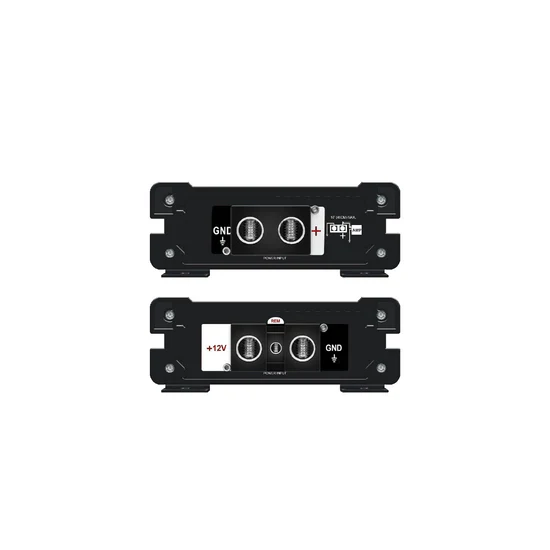
The RFC10HB is Rockford Fosgate's 10 Farad Hybrid Digital Capacitor, designed to reinforce the energy supply to car audio amplifiers during peak demand. It combines a carbon capacitor with an electrolytic capacitor in a single hybrid design, bringing together the low ESR (Equivalent Series Resistance) characteristics of carbon capacitor technology with the high energy storage capacity of an electrolytic design. The result is a capacitor that responds quickly to sudden current demands from subwoofer amplifiers, reducing voltage sag at the battery terminals, improving transient bass response, and delivering cleaner signal reproduction across midrange and high-frequency channels. All power and ground terminals are platinum plated, accommodating three 1/0 AWG or 4 AWG power inputs and three 1/0 AWG or 4 AWG ground inputs, making it suitable for multi-amplifier installations. An onboard digital voltage and amp meter provides real-time monitoring of the vehicle's electrical system. 1-year warranty.
Features & Benefits
Hybrid Carbon and Electrolytic Capacitor Design: The RFC10HB combines a carbon capacitor and an electrolytic capacitor into a single unit, pairing the rapid charge and discharge response of carbon capacitor technology with the high capacitance storage of an electrolytic design. This hybrid approach delivers both fast transient response and sustained energy reserve for demanding amplifier systems.
Low ESR (Equivalent Series Resistance): Low internal resistance ensures the capacitor maintains its rated capacitance value under load and responds quickly to high current demands from amplifiers, minimising voltage sag and maintaining power delivery during bass transients.
10 Farad Capacitance: The 10 Farad storage capacity provides substantial energy reserve for high-power amplifier systems, supporting multi-amplifier setups where peak current demand regularly exceeds what the vehicle's alternator and battery can supply instantaneously.
Platinum Plated Terminals: All power and ground terminals are platinum plated for superior corrosion resistance and low-resistance electrical contact, maintaining a clean and reliable connection over the life of the installation.
Three 1/0 AWG or 4 AWG Power and Ground Inputs: Six terminals total (three power, three ground) accommodate up to 1/0 AWG or 4 AWG wiring, allowing the RFC10HB to be integrated directly into multi-amplifier power distribution runs without additional distribution blocks in many configurations.
Digital Voltage and Amp Meter: The onboard digital display provides real-time monitoring of supply voltage and current, allowing the health of the vehicle's electrical system to be assessed at a glance during installation and use.
Improved Sound Quality: By reducing voltage sag during peak amplifier demand, the RFC10HB helps maintain a stable supply voltage to amplifiers, contributing to cleaner midrange and high-frequency reproduction and harder, more defined bass transient performance.
Technical Specs
| Specification | Detail |
|---|---|
| SKU | RFC10HB |
| Capacitance | 10 Farad |
| Capacitor Type | Hybrid (Carbon / Electrolytic) |
| ESR | Low ESR |
| Terminal Plating | Platinum |
| Power Inputs | 3 x 1/0 AWG or 4 AWG |
| Ground Inputs | 3 x 1/0 AWG or 4 AWG |
| Display | Digital Voltage and Amp Meter |
| Warranty | 1 Year |
Goes Well With
The RFC10HB is best suited to systems running high-power monoblock or multi-channel amplifiers where total system power output exceeds 500 watts RMS and electrical system voltage sag is a concern. It pairs directly with Rockford Fosgate's R2-1200X1, PBR400X4D, and R2-300X4 in multi-amplifier builds, sitting between the battery and the amplifier distribution point in the power run. A 1/0 AWG amplifier wiring kit is recommended for power and ground connections at this capacitance level. For systems with separate power and signal distribution already in place, the RFC10HB integrates cleanly with existing 1/0 AWG or 4 AWG runs using its triple-input terminal arrangement.
Frequently Asked Questions
What does a capacitor actually do in a car audio system?
A capacitor stores electrical energy and releases it rapidly when amplifiers demand more current than the vehicle's alternator and battery can deliver instantaneously. During bass transients, amplifiers draw short bursts of very high current. Without a capacitor, this causes voltage sag at the battery terminals, which reduces amplifier output, causes headlights to dim, and degrades sound quality. The RFC10HB stores 10 farads of energy and discharges it within milliseconds to supplement the vehicle's supply during these peaks.
What is the difference between a carbon capacitor and an electrolytic capacitor, and why does the hybrid design matter?
A carbon capacitor charges and discharges very rapidly with very low ESR, but stores less total energy per unit than an electrolytic design. An electrolytic capacitor stores more total energy but has higher internal resistance and slower response. The RFC10HB's hybrid design combines both technologies to deliver both the fast transient response of a carbon capacitor and the high energy reserve of an electrolytic capacitor, making it more effective than either type alone across the full range of amplifier current demands.
What does low ESR mean, and why does it matter for a capacitor?
ESR stands for Equivalent Series Resistance, which is the internal resistance present within the capacitor's construction. A high ESR capacitor wastes energy as heat during charge and discharge cycles and cannot respond as quickly to sudden current demands. A low ESR design like the RFC10HB maintains its rated capacitance value accurately under load and delivers stored energy more efficiently and rapidly to the amplifiers, making it more effective at eliminating voltage sag.
How many amplifiers can the RFC10HB support?
The RFC10HB's three power inputs and three ground inputs allow it to connect directly to multiple amplifiers without additional distribution hardware in many installations. The practical limit depends on the total power draw of the amplifiers and the capacity of the vehicle's electrical system rather than a fixed amplifier count. As a general guideline, capacitors are recommended for systems where total amplifier RMS output exceeds 500 watts, with larger or additional capacitors added as total system power increases.
Does the RFC10HB need to be charged before connecting to the amplifiers?
Yes. Capacitors must be pre-charged before direct connection to the vehicle's electrical system to prevent a sudden inrush current that can damage the capacitor, blow fuses, or damage other electrical components. A charging resistor should be used during initial installation to slowly charge the capacitor before the final connection is made.
Product Information
Product Information
Shipping & Returns
Shipping & Returns
Description
Rockford Fosgate RFC10HB 10 Farad Hybrid Digital Capacitor
When your amplifiers demand more energy than the vehicle's electrical system can deliver in real time, the RFC10HB stores 10 farads of reserve power to keep bass hard-hitting and mids and highs clean under load.
Product Overview
The RFC10HB is Rockford Fosgate's 10 Farad Hybrid Digital Capacitor, designed to reinforce the energy supply to car audio amplifiers during peak demand. It combines a carbon capacitor with an electrolytic capacitor in a single hybrid design, bringing together the low ESR (Equivalent Series Resistance) characteristics of carbon capacitor technology with the high energy storage capacity of an electrolytic design. The result is a capacitor that responds quickly to sudden current demands from subwoofer amplifiers, reducing voltage sag at the battery terminals, improving transient bass response, and delivering cleaner signal reproduction across midrange and high-frequency channels. All power and ground terminals are platinum plated, accommodating three 1/0 AWG or 4 AWG power inputs and three 1/0 AWG or 4 AWG ground inputs, making it suitable for multi-amplifier installations. An onboard digital voltage and amp meter provides real-time monitoring of the vehicle's electrical system. 1-year warranty.
Features & Benefits
Hybrid Carbon and Electrolytic Capacitor Design: The RFC10HB combines a carbon capacitor and an electrolytic capacitor into a single unit, pairing the rapid charge and discharge response of carbon capacitor technology with the high capacitance storage of an electrolytic design. This hybrid approach delivers both fast transient response and sustained energy reserve for demanding amplifier systems.
Low ESR (Equivalent Series Resistance): Low internal resistance ensures the capacitor maintains its rated capacitance value under load and responds quickly to high current demands from amplifiers, minimising voltage sag and maintaining power delivery during bass transients.
10 Farad Capacitance: The 10 Farad storage capacity provides substantial energy reserve for high-power amplifier systems, supporting multi-amplifier setups where peak current demand regularly exceeds what the vehicle's alternator and battery can supply instantaneously.
Platinum Plated Terminals: All power and ground terminals are platinum plated for superior corrosion resistance and low-resistance electrical contact, maintaining a clean and reliable connection over the life of the installation.
Three 1/0 AWG or 4 AWG Power and Ground Inputs: Six terminals total (three power, three ground) accommodate up to 1/0 AWG or 4 AWG wiring, allowing the RFC10HB to be integrated directly into multi-amplifier power distribution runs without additional distribution blocks in many configurations.
Digital Voltage and Amp Meter: The onboard digital display provides real-time monitoring of supply voltage and current, allowing the health of the vehicle's electrical system to be assessed at a glance during installation and use.
Improved Sound Quality: By reducing voltage sag during peak amplifier demand, the RFC10HB helps maintain a stable supply voltage to amplifiers, contributing to cleaner midrange and high-frequency reproduction and harder, more defined bass transient performance.
Technical Specs
| Specification | Detail |
|---|---|
| SKU | RFC10HB |
| Capacitance | 10 Farad |
| Capacitor Type | Hybrid (Carbon / Electrolytic) |
| ESR | Low ESR |
| Terminal Plating | Platinum |
| Power Inputs | 3 x 1/0 AWG or 4 AWG |
| Ground Inputs | 3 x 1/0 AWG or 4 AWG |
| Display | Digital Voltage and Amp Meter |
| Warranty | 1 Year |
Goes Well With
The RFC10HB is best suited to systems running high-power monoblock or multi-channel amplifiers where total system power output exceeds 500 watts RMS and electrical system voltage sag is a concern. It pairs directly with Rockford Fosgate's R2-1200X1, PBR400X4D, and R2-300X4 in multi-amplifier builds, sitting between the battery and the amplifier distribution point in the power run. A 1/0 AWG amplifier wiring kit is recommended for power and ground connections at this capacitance level. For systems with separate power and signal distribution already in place, the RFC10HB integrates cleanly with existing 1/0 AWG or 4 AWG runs using its triple-input terminal arrangement.
Frequently Asked Questions
What does a capacitor actually do in a car audio system?
A capacitor stores electrical energy and releases it rapidly when amplifiers demand more current than the vehicle's alternator and battery can deliver instantaneously. During bass transients, amplifiers draw short bursts of very high current. Without a capacitor, this causes voltage sag at the battery terminals, which reduces amplifier output, causes headlights to dim, and degrades sound quality. The RFC10HB stores 10 farads of energy and discharges it within milliseconds to supplement the vehicle's supply during these peaks.
What is the difference between a carbon capacitor and an electrolytic capacitor, and why does the hybrid design matter?
A carbon capacitor charges and discharges very rapidly with very low ESR, but stores less total energy per unit than an electrolytic design. An electrolytic capacitor stores more total energy but has higher internal resistance and slower response. The RFC10HB's hybrid design combines both technologies to deliver both the fast transient response of a carbon capacitor and the high energy reserve of an electrolytic capacitor, making it more effective than either type alone across the full range of amplifier current demands.
What does low ESR mean, and why does it matter for a capacitor?
ESR stands for Equivalent Series Resistance, which is the internal resistance present within the capacitor's construction. A high ESR capacitor wastes energy as heat during charge and discharge cycles and cannot respond as quickly to sudden current demands. A low ESR design like the RFC10HB maintains its rated capacitance value accurately under load and delivers stored energy more efficiently and rapidly to the amplifiers, making it more effective at eliminating voltage sag.
How many amplifiers can the RFC10HB support?
The RFC10HB's three power inputs and three ground inputs allow it to connect directly to multiple amplifiers without additional distribution hardware in many installations. The practical limit depends on the total power draw of the amplifiers and the capacity of the vehicle's electrical system rather than a fixed amplifier count. As a general guideline, capacitors are recommended for systems where total amplifier RMS output exceeds 500 watts, with larger or additional capacitors added as total system power increases.
Does the RFC10HB need to be charged before connecting to the amplifiers?
Yes. Capacitors must be pre-charged before direct connection to the vehicle's electrical system to prevent a sudden inrush current that can damage the capacitor, blow fuses, or damage other electrical components. A charging resistor should be used during initial installation to slowly charge the capacitor before the final connection is made.